Do Outdoor Benches Get Too Hot? A Practical Look at Materials in the Sun
When you are planning seating for parks, streetscapes, campuses, or outdoor dining areas, one question comes up again and again:
Will the bench be too hot to use in direct sun?
It is a valid concern, especially in southern and desert climates where surface temperatures can climb fast. But even in places like Michigan, a bench sitting in full July sun can become uncomfortable surprisingly quickly.
The material you choose plays a much bigger role than most people expect, not just in how hot a bench gets, but how hot it feels when someone actually sits down.
What Actually Happens in Direct Sunlight
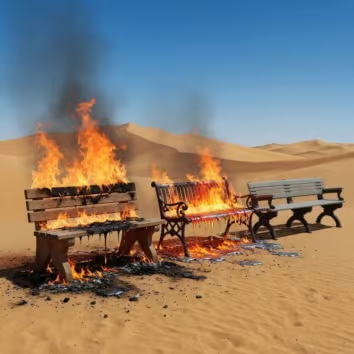
After about two hours in direct sun at roughly 90°F ambient temperature, typical surface temperatures look like this:
- Aluminum: ~176°F
- Steel: ~162°F
- Stone: ~144°F
- Concrete: ~140°F
- Ceramic: ~133°F
- Glass: ~126°F
- Wood: ~113°F
- HDPE #2 (recycled plastic): ~108°F
That spread is not trivial. The difference between 170°F and 108°F is the difference between a surface that can burn skin and one that is simply warm.
Even more important, these numbers do not tell the whole story.
Surface Temperature vs. “Feels Like” Temperature
Two materials can measure the same temperature and still feel completely different to the touch.
This comes down to how quickly a material transfers heat to your skin.
- Metals move heat very efficiently
- Wood and HDPE transfer heat more slowly
That is why a 140°F metal surface can feel almost instantly painful, while a 110°F HDPE surface may feel hot but tolerable for normal use.
From a user standpoint, perceived temperature matters more than measured temperature.
Why Materials Behave So Differently
The short version is that not all materials absorb, store, and release heat the same way.
Metals (Aluminum and Steel)
Aluminum and steel heat up quickly and transfer that heat efficiently. That is great for cookware, not so great for seating.
They:
- Reach high temperatures rapidly
- Transfer heat immediately to skin
- Cool quickly once shaded
In full sun, they are typically the least forgiving option.
Concrete and Stone
These materials are slower to heat, but they store a large amount of thermal energy.
They:
- Take longer to reach peak temperature
- Retain heat for hours
- Stay warm even after the sun moves
This can extend discomfort well into the evening, especially in dense urban or hardscape-heavy environments.
Wood
Wood performs better because it does not conduct heat as aggressively.
It:
- Warms more gradually
- Feels less intense at the same temperature
- Provides a more natural seating experience
However, wood comes with tradeoffs in maintenance, weathering, and long-term durability.
HDPE (#2 Recycled Plastic)
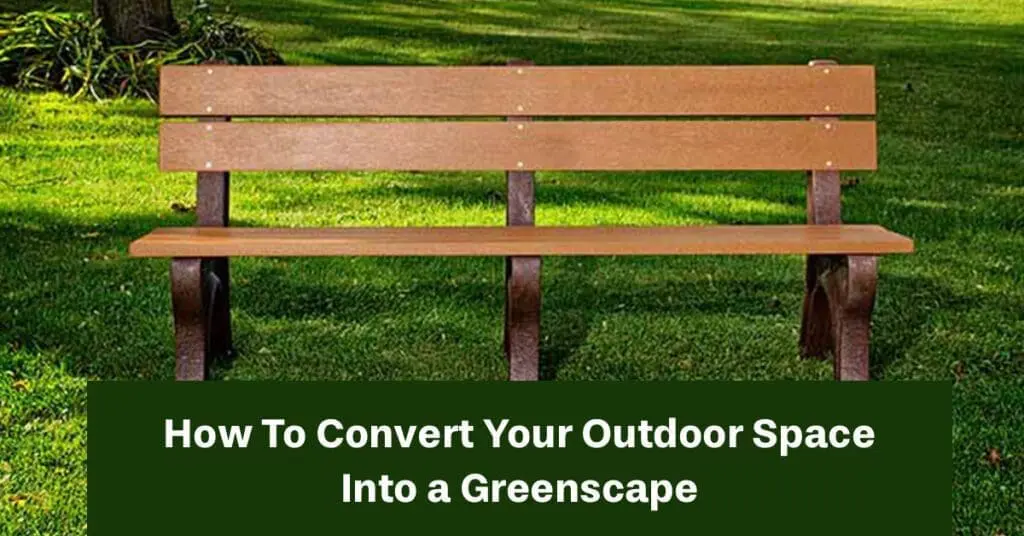
HDPE strikes a balance between performance and usability.
It:
- Does not rapidly conduct heat like metal
- Does not store heat like concrete
- Maintains a more stable, usable surface temperature
The result is a bench that stays noticeably more comfortable throughout the day, especially in direct sun.
The Often Overlooked Factor: Color and Finish
Material is only part of the equation.
Color and surface finish can dramatically influence heat buildup:
- Dark, matte finishes absorb more solar radiation
- Light colors reflect more sunlight
- Surface texture can slightly influence heat retention
In real-world terms:
- A black bench in full sun can be much hotter than a light gray or tan version of the same material
- Lighter colors can reduce surface temperatures by 18 to 36°F (10 to 20°C)
This means a light colored HDPE bench can feel significantly cooler than a dark metal one, even before factoring in material differences.
Other Weather Factors That Affect Comfort
Heat is only part of the story. Outdoor seating has to perform across all conditions.
Cold Weather
In colder climates like Michigan:
- Metal becomes very cold to the touch
- Concrete and stone hold that cold
- HDPE and wood feel more neutral
This matters for early spring, late fall, and shaded areas year round.
Moisture and Rain
Different materials respond differently to water exposure:
- Wood can absorb moisture, leading to swelling, warping, or rot
- Metal can corrode if not properly finished
- Concrete can stain or develop surface wear
HDPE is non porous, which means:
- It does not absorb water
- It dries quickly
It maintains consistent performance in wet conditions
UV Exposure and Long Term Wear
Constant sun exposure can degrade materials over time:
- Some plastics become brittle
- Wood can fade, crack, or splinter
- Coatings on metal can break down
High quality HDPE is designed to resist UV degradation, helping maintain both appearance and structural integrity over time.
What This Means for Real World Use
If your goal is simple, comfortable, usable seating in full sun, the hierarchy becomes clear:
- Metal benches can become unusable during peak heat
- Concrete and stone can stay hot long after the sun shifts
- Wood and HDPE offer a more consistent, user friendly experience
For public spaces, that translates directly to satisfaction.
A bench that looks good but cannot be comfortably used in the afternoon is not doing its job.
Practical Tips When Choosing Outdoor Benches
A few simple decisions can make a significant difference:
- Choose lighter colors for full sun installations
- Consider partial shade placement where possible
- Match material to environment such as parks, schools, or streetscapes
- Think about year round usability, not just summer performance
These small considerations can dramatically improve how often your seating is actually used.
A Smarter Approach to Outdoor Comfort
At Polly Products, we build benches from recycled HDPE #2 with these real world conditions in mind.
Durability matters, but so does everyday usability.
Choosing the right material is not just about lifespan or maintenance. It is about how people actually experience your space on a hot July afternoon.
Because at the end of the day, the best bench is the one people actually want to sit on.
FAQ
Can a bench actually burn you?
Yes. Surfaces above about 150°F can cause burns with prolonged contact. Metal benches in direct sun can exceed this threshold.
What is the best bench color for hot climates?
Lighter colors such as gray, beige, or white tend to stay significantly cooler than darker tones.
Is HDPE better than metal in the sun?
For comfort, yes. HDPE generally stays cooler and feels less intense to the touch due to lower heat transfer.