How to Specify Picnic Tables for Landscape Projects

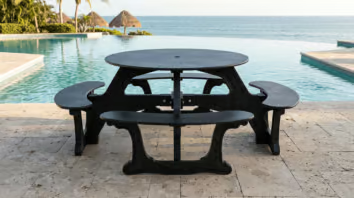
Cantina Table placed by the pool

How to Specify Picnic Tables for Landscape Projects

Designing outdoor spaces that last requires more than aesthetics—it demands materials and furnishings that perform under real-world conditions. For landscape architects and site designers, specifying the right picnic tables is a critical decision that impacts durability, maintenance, user experience, and long-term cost.

This guide explains how to evaluate and specify heavy-duty picnic tables for commercial environments, with a focus on recycled plastic materials, performance-based specifications, and modern landscape architecture strategies.

Why Picnic Table Specification Matters

In high-traffic environments, outdoor furniture must withstand constant use, harsh weather, and potential vandalism. Poor specification leads to premature failure, higher maintenance costs, and diminished site value.

Commercial-grade outdoor seating should meet these criteria:

  • Long-term structural durability

  • Resistance to UV, moisture, and temperature extremes

  • Minimal maintenance requirements

  • ADA accessibility compliance

  • Cohesive integration into landscape design

Specifying heavy-duty picnic tables ensures reliability and lifecycle cost savings.

Key Factors When Specifying Heavy-Duty Picnic Tables

Material Performance and Longevity

Material selection is the most important factor in long-term performance.

Recycled plastic stands out as a superior option for durable outdoor furniture:

  • Will not rot, crack, or splinter like wood

  • Resistant to insects, moisture, and chemicals

  • Maintains strength in extreme climates

  • Color runs throughout the material, minimizing visible wear

For landscape architecture specifications, recycled plastic consistently outperforms traditional materials in both durability and maintenance.

Structural Design and Engineering

Commercial picnic tables must be engineered for heavy use.

Look for:

  • Solid or reinforced construction

  • Corrosion-resistant hardware (stainless or coated steel)

  • Anchoring or surface-mount options for stability

  • High load-bearing capacity

Well-designed heavy-duty picnic tables reduce risk and extend service life in public spaces.

Blue top Cantina table next to a poolside.

Site Use and Environmental Conditions

Every project requires context-specific specification.

Consider:

  • Traffic volume (parks, schools, urban plazas)

  • Climate exposure (sun, snow, coastal environments)

  • Vandalism risk

  • Ground conditions and installation method

Matching the table design to site conditions ensures optimal performance and longevity.

Maintenance and Lifecycle Costs

Initial purchase price does not reflect true cost.

Recycled plastic picnic tables offer:

  • No painting, sealing, or staining

  • Simple cleaning with soap and water

  • Long lifespan with minimal repairs

This makes them a cost-effective solution for municipalities, schools, and commercial properties.

Accessibility and Compliance

Accessibility is a core component of modern landscape design.

Ensure picnic tables:

  • Meet ADA guidelines for wheelchair access

  • Provide proper knee clearance

  • Are installed along accessible routes

Inclusive commercial-grade outdoor seating improves usability and compliance.

Integrating Picnic Tables into Landscape Design

Picnic tables contribute to both function and aesthetics.

Consider:

  • Coordinated colors and finishes

  • Table shapes (rectangular, round, ADA-accessible)

  • Consistency with other landscape design accessories like benches, planters, and waste receptacles

Recycled plastic allows for consistent, clean aesthetics across the entire site.

Modern Specification Strategies for Landscape Architects

To improve project outcomes and reduce substitutions:

  • Use performance-based specifications instead of brand-only language

  • Specify recycled plastic materials for durability and sustainability goals

  • Standardize products across projects for easier maintenance and replacement

  • Coordinate with contractors early for installation and anchoring requirements

Clear, detailed landscape architecture specifications protect design intent and long-term performance.

Why Recycled Plastic Is the Future of Durable Outdoor Furniture

Sustainable materials are now essential in landscape architecture.

Recycled plastic supports:

  • Waste reduction and environmental responsibility

  • Long-lasting performance without chemical treatments

  • Lower lifecycle environmental impact

For LEED-oriented or sustainability-driven projects, recycled plastic picnic tables align with both environmental and functional goals.

Specification Checklist for Projects

Use this checklist when evaluating commercial picnic tables:

  • Material: Recycled plastic for durability and low maintenance

  • Frame: Reinforced, corrosion-resistant construction

  • Mounting: Surface mount or in-ground options based on site needs

  • Accessibility: ADA-compliant designs available

  • Environment: Suitable for climate and exposure conditions

  • Maintenance: Minimal upkeep required

  • Warranty: Strong manufacturer support

Please enter your email address to receive your cart as a PDF.

[]